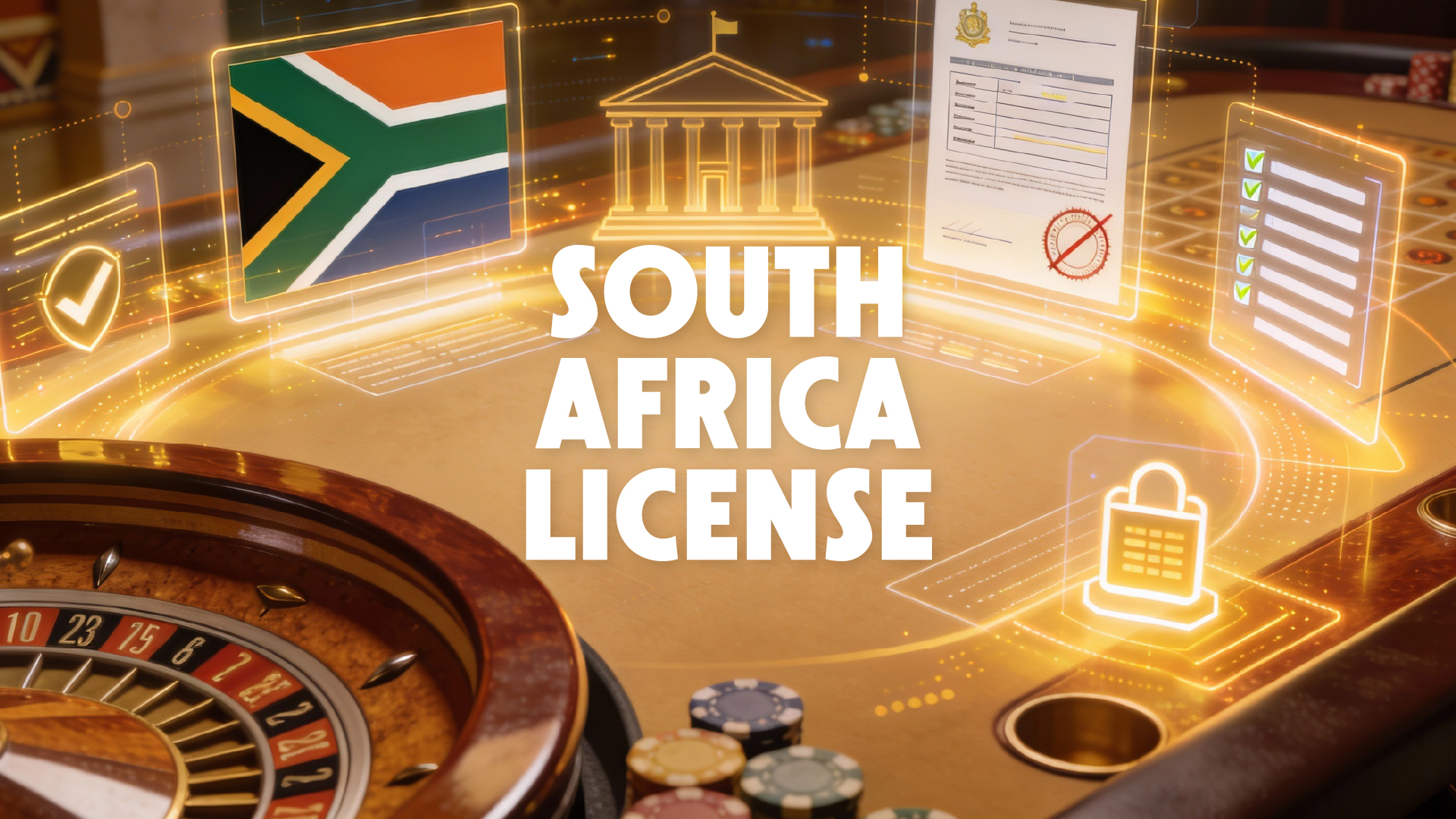



South Africa is one of the most established and closely regulated betting markets in Africa. With a long-standing sports betting culture and a mature legal framework, it offers attractive opportunities for operators – provided they are prepared to navigate a complex, province-driven licensing system.
Unlike jurisdictions with a single national regulator, South Africa combines national legislation with provincial enforcement, meaning that legal entry depends as much on where you operate as how you operate.
This guide explains how gambling licensing works in South Africa, the authorities involved, the application process, and the key compliance obligations operators must be ready to meet before entering the market.
How Gambling Licensing Works in South Africa
South Africa regulates gambling through a dual regulatory model that combines national oversight with province-level licensing authority.
1. The National Gambling Board (NGB)
The National Gambling Board is responsible for setting national gambling standards, preventing illegal gambling activities, managing the national self-exclusion register, and supporting consumer protection initiatives.
While the NGB does not issue gambling licences, it defines the policy framework that provincial regulators are required to follow.
2. Provincial Licensing Authorities (PLAs)
All gambling licences in South Africa are issued at the provincial level. Each province operates its own Licensing Authority, with distinct application procedures, fees, evaluation criteria, and ongoing compliance audits.
The main Provincial Licensing Authorities include:
- Western Cape Gambling and Racing Board (WCGRB)
- Gauteng Gambling Board (GGB)
- KwaZulu-Natal Gaming & Betting Board
- Eastern Cape Gambling Board
- Limpopo Gambling Board
- Free State Gambling, Liquor & Tourism Authority
- North West Gambling Board
- Mpumalanga Economic Regulator
- Northern Cape Gambling Board
Any operator offering betting, casino, or gambling-related services must obtain approval from the relevant PLA before operating legally within that province.
Types of Gambling Licenses Available
The type of licence required depends on the operator’s business model and activities. The most common licence categories include:
- Bookmaker Licence – for land-based betting and, in certain provinces, online sports betting.
- Casino Licence – for physical casino operations.
- Manufacturer / Supplier Licence – required for software providers, platform vendors, RNG suppliers, and gaming hardware manufacturers.
- Route Operator Licence – for managing slot machines or VLT networks.
- Totalisator Licence – for pari-mutuel betting operations.
Online gambling regulation is more nuanced. While online sports betting is generally permitted under bookmaker licences in specific provinces, online casino gaming remains restricted and subject to ongoing legislative debate at national level.
As a result, requirements and regulatory interpretations can vary significantly depending on the province and the nature of the activity.
How to Apply for a Gambling License in South Africa: Step-by-Step
1. Determine the province you want to operate in.
The location of the operator’s primary business address typically determines the province where the licence application must be submitted. Western Cape and Gauteng are often chosen due to more established regulatory infrastructures.
2. Prepare company documentation.
Applicants are usually required to submit:
- Incorporation documents
- Shareholder and beneficial ownership structure
- Tax clearance certificate
- Memorandum of Incorporation
- Business plan and market strategy
- Proof of funds and financial sustainability
- Software architecture and platform documentation
Submit probity and suitability checks.
All directors, shareholders and key executives undergo detailed background checks, including criminal record screening, financial assessments, and source-of-funds verification.
This is one of the most rigorous stages of the South African licensing process and reflects the regulator’s strong focus on operator integrity.
4. Technical system certification.
Platform operators and suppliers must demonstrate:
- RNG certification (if applicable)
- Secure data handling
- Fraud prevention mechanisms
- Player protection tools (self-exclusion, limits monitoring)
- Reporting capabilities for regulatory audits
Independent testing labs are often required for system validation.
5. Compliance and responsible gaming framework.
Authorities expect detailed policies on:
- Anti-money laundering
- Player verification (KYC)
- Data security
- Fair gaming
- Problem gambling support
6. Pay application and investigation fees.
Each province sets its own fees, which may include:
- Application fee
- Annual license fee
- Investigation or suitability checks
- System testing fees
7. Await regulatory approval
Depending on the province, approval may take several months, especially for online operators that require technical certification.
Costs and Timelines for Licensing
- Application fees can range widely depending on the license type and province.
- Processing times typically run from 3 to 12 months, depending on the complexity of your business and the thoroughness of your documentation.
- Renewal fees are paid annually, and ongoing compliance reviews are mandatory.
Why the Market Is Attractive
South Africa remains one of Africa’s strongest betting markets, due to:
- Widespread mobile usage
- Strong sports betting culture
- Stable regulatory framework
- Opportunities for B2B suppliers
For companies looking to scale across Africa, South Africa often serves as a strategic entry point.
For a broader perspective on African expansion, visit our guide on African iGaming Market Entry.
Preparing for Long-Term Compliance
Securing a gambling licence in South Africa is only the starting point. Licensed operators must maintain continuous compliance with provincial regulations, submit regular financial and operational reports, undergo system audits, and consistently enforce responsible gambling measures.
With the right preparation, documentation, and regulatory strategy, South Africa offers a stable and credible environment for long-term betting operations – for operators willing to meet its high compliance standards.